
Same-state freshness: Our Valsad orchard is just 270 km from Ahmedabad — both in Gujarat. You're buying directly from the state that grows the best Kesar in India. No out-of-state markups. No long supply chains. Just your own state's mango, delivered fresh.
Gujarat's Own Mangoes
Delivered to Ahmedabad
Valsad Kesar, Hapus & Rajapuri — from our South Gujarat orchard to your Ahmedabad doorstep. Tree-ripened, carbide-free, dispatched within 48 hours of harvest. This is your state's mango. This is how it should taste.
Three varieties. One Gujarat orchard.
Direct to your door.
All grown at Vanamrit farm in Valsad, South Gujarat — carbide-free, tree-ripened, packed the same evening as your order. Ahmedabad gets the home advantage: same-state delivery means faster, fresher fruit than anything imported from other states.
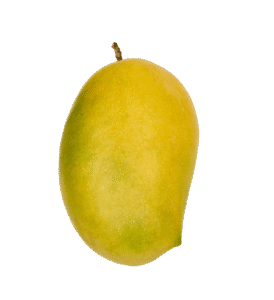
Valsad Kesar
Gujarat's own Queen of Mangoes. Deep saffron flesh, zero fibre, intense honey sweetness — the aamras mango that Gujarati households have built their summers around for generations. Coastal Valsad terroir at its finest.
Season: May – July Learn about Kesar →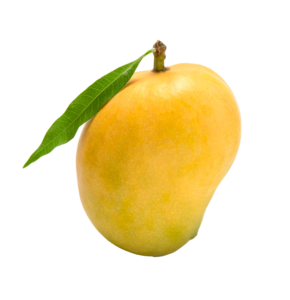
Valsad Hapus
The Gujarat Alphonso. Same cultivar as Ratnagiri, grown in Valsad's rich alluvial coastal soil. Buttery, honey-fragrant, and completely fibreless — a different, equally exceptional expression of the Alphonso variety.
Season: April – June Learn about Hapus →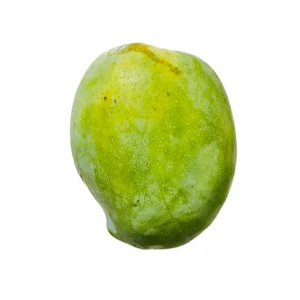
Rajapuri
The kitchen mango of South Gujarat. Large, juicy, sweet-tangy. Order raw from April for methia keri athanu pickle, or ripe from June for large-batch aamras and family gatherings.
Season: June – August Learn about Rajapuri →Valsad to Ahmedabad —
overnight, direct,
same state
Both cities are in Gujarat. That 270 km same-state route on NH48 is Vanamrit's biggest natural advantage for Ahmedabad buyers — your mangoes travel one state, 2 to 3 days, zero extra handling. Compare this to most premium mango brands shipping cross-state through courier hubs that add days and quality loss to every order.
Order before 6 PM
Order on our website or WhatsApp. Choose variety, box size, and Ahmedabad address — Satellite, Bopal, Maninagar, Navrangpura, Gandhinagar — all covered.
Handpicked same evening in Valsad
Mangoes are selected from the orchard and packed at our Valsad farm the same evening — not from cold storage, not from a warehouse. Fresh from the tree.
Overnight Gujarat-to-Gujarat on NH48
Your box travels direct from Valsad to Ahmedabad overnight. Same state, same night, no stops. The shortest possible route from farm to your city.
At 2 t0 3 days
Most Ahmedabad orders arrive 2 to 3 day. WhatsApp dispatch notification sent when your box leaves Valsad.
Areas we cover
across Ahmedabad
We deliver across Ahmedabad city, Gandhinagar, and the extended AUDA zone. WhatsApp your pincode if your neighbourhood isn't listed — most of the greater Ahmedabad region is covered in peak season.
Gujarat farm. Gujarat city.
No middlemen in between.
Same-state advantage
Valsad to Ahmedabad is 270 km entirely within Gujarat. Faster transit, fresher fruit. Your mango stays in its home state from tree to table — no cross-border logistics.
Zero carbide — always
Ahmedabad's local market is full of carbide-ripened Kesar sold at premium prices. Every Vanamrit mango is tree-ripened only. Open the box — the fragrance tells you immediately.
Season runs to August
Kesar from May through July. Rajapuri through August. While local market supplies peak and fade, our orchard keeps delivering quality fruit across the full Gujarat summer.
Bulk boxes for families
5 kg, 10 kg, 20 kg boxes. Ideal for Ahmedabad joint families, housing societies, aamras gatherings, and summer pickle-making sessions. Society group orders handled regularly.
What Ahmedabad customers say
Real orders. Real people. Real Ahmedabad addresses.
"Finally — a Kesar that actually smells like Kesar when you open the box. We have been buying from local Ahmedabad sellers for years and none of them come close to this. The aamras was outstanding."
"Ordered 20 kg Rajapuri for our annual pickle session. Arrived perfectly firm, exactly as requested. The flesh held beautifully through the whole pickling process. Pre-booked for next season already."
"Group order for our society in Bopal — 50 kg Kesar across 12 families. Coordinated smoothly, delivery on time, not a single complaint from any family. This is what buying from a real farm feels like."
Delivery FAQ
for Ahmedabad
Everything you need to know before ordering mangoes to Ahmedabad from our Valsad farm.
Kesar Mango Delivery in Ahmedabad — Why Buying Direct from a Valsad Farm Changes Everything
You live in Gujarat. The best Kesar mangoes in the world are grown in Gujarat. So why does the Kesar in your local Ahmedabad shop taste so flat? The answer is one word: carbide. And the solution is one address: our Valsad orchard, 270 km away on NH48.
Let's talk about what's actually happening in Ahmedabad's mango market right now
We're going to be straight with you. Walk into any fruit shop in Ahmedabad during mango season — Maninagar, Navrangpura, Satellite, anywhere — and pick up a Kesar that looks golden and perfect. Now smell it. If the fragrance barely registers, you already know what you're holding: a mango that was gassed with calcium carbide before it was ready.
Calcium carbide is the chemical that makes mango skin turn yellow in 24–48 hours regardless of whether the fruit inside has had time to develop any sugars. FSSAI has explicitly prohibited its use under the Food Safety and Standards Act — it releases acetylene gas that carries traces of arsenic and phosphorus. And yet it remains widespread across Indian fruit markets, including in cities that should know better. The uniform golden colour that looks so appealing in the crate is the tell. Real tree-ripened Kesar doesn't look that neat. It has patches of yellow, hints of green near the stem, sometimes a faint orange blush. It looks slightly imperfect because it developed naturally, and that natural development is exactly where the flavour lives.
A tree-ripened Valsad Kesar smells like a mango before you cut it. A carbide-ripened one smells like nothing. That single test — press the stem end to your nose and breathe in — tells you everything you need to know about the fruit you're about to buy.
Why Ahmedabad is actually the best city in India to buy Kesar directly from a farm
Think about this for a second. Ahmedabad is in Gujarat. The best Kesar mangoes in the country are grown in Gujarat — in the Gir-Saurashtra belt and in the alluvial coastal orchards of South Gujarat. And yet most people in Ahmedabad are buying their Kesar after it has passed through four or five pairs of hands, been subjected to carbide ripening, and arrived in a local shop with no information about where it came from or how it was treated. It's like living next door to a bakery and buying your bread from a vending machine.
Our farm is in Valsad — 270 km south of Ahmedabad on NH48. That's a single overnight drive. When we dispatch an order in the evening, it arrives in Ahmedabad the next morning. Not via a courier hub. Not through a Maharashtra transit warehouse. Directly, on the same route your Ahmedabad relatives take when they drive down for a beach trip. Your mango never leaves Gujarat. It travels from our orchard to your kitchen within the same state, overnight, fresh.
And because we're a farm-direct brand — not a marketplace or an aggregator — there's no one between the tree and your door who has any reason to cut corners on ripening. We grow it. We pack it. We ship it. That accountability is something no local market can replicate.
What makes Valsad Kesar different from Gir Kesar — and why both matter
Ahmedabad buyers know their Kesar. You've probably heard of Gir Kesar — the GI-tagged variety from the Girnar foothills of Saurashtra, officially recognised as one of India's finest agricultural products. It's exceptional. The semi-arid Saurashtra soil and intense summer heat concentrate the fruit's flavours in a way that produces a sharp, almost electric sweetness that's hard to find anywhere else.
Valsad Kesar is a different chapter of the same story. It's the same Kesar variety — descended from the same grafts that left Saurashtra generations ago — but grown in the mineral-rich alluvial soil of South Gujarat's coastal belt. The Arabian Sea influence, higher rainfall (150–200 cm annually), and cooler nights create a growing environment where the fruit develops more slowly and more steadily. The result? A Kesar that's slightly larger, with thicker pulp, a longer season, and a sweetness that's rounder and more sustained rather than sharp and intense.
For aamras — the dish that probably matters most to every Gujarati household in Ahmedabad — Valsad Kesar has a practical advantage. More flesh per fruit. Less fibre per spoonful. A deep saffron colour that holds in the bowl. And a natural sugar content that means you genuinely don't need to add any sweetener to make the aamras work. According to data from the 2026 season, South Gujarat coastal orchards are seeing a strong crop this year with early flowering already observed in late 2025, and the June–July window is shaping up to be one of the best in recent memory.
When exactly should Ahmedabad buyers order in 2026?
This is probably the most practical question we get, so let's answer it clearly. The Valsad Kesar season runs from May through July, with June being the absolute sweet spot. May fruit is good — it's the beginning of the season, the sugars are building, and if you're making early aamras it absolutely works. But June and early July? That's when everything clicks. The fruit has had the full season to develop, the pulp is at its thickest and deepest in colour, and every box has that fragrance that makes you stop whatever you're doing when you open it.
Here's a practical tip that most mango buyers don't follow: resist the early-season rush. The Kesar that hits Ahmedabad's market in late April and early May is usually from trees that flowered first and were harvested early under commercial pressure. It looks like Kesar. It may even taste acceptable. But it is not the same as a mid-June Valsad Kesar that was allowed to stay on the tree until the stem naturally loosened. Patience in mango season is almost always rewarded.
For Rajapuri, the raw pickle window opens in April — order then if you're making methia keri athanu this year. For Hapus, the sweet spot is May through June. And for large family orders or housing society bulk buys, placing your order in advance in April or early May secures your allocation before peak-season availability tightens.
The 2026 Valsad Kesar season had strong early flowering in late 2025 and the South Gujarat coastal belt is expecting a good crop. June is your golden month — and it's closer than you think.
How to spot a genuinely carbide-free mango — the Ahmedabad buyer's guide
We've already mentioned the smell test. But let's go deeper, because this is a skill worth having if you're ever buying from a market rather than a trusted farm source.
A carbide-ripened mango turns yellow fast and evenly — you can often see it happening over a single day in the crate at a shop. The colour is uniform, almost painted-on. The skin is smooth and unblemished. And the fragrance, as we mentioned, is faint or absent. When you cut it, the flesh near the seed is often still pale or greenish while the outer flesh has turned yellow — because the skin changed before the fruit was internally ready.
A tree-ripened Kesar looks messier. The colour is uneven — patches of deep gold, maybe a faint green tinge near the stem, possibly a slight orange at the shoulders. The shoulder of the fruit — the thick part just below where the stem attaches — is full and rounded, not sunken. And when you press the skin gently near the stem, there's a give that feels like pressing a ripe avocado. Not mushy. Just yielding. That's what natural sugar concentration feels like from the outside.
One more thing: carbide-ripened mangoes have a noticeably shorter shelf life once they turn. A tree-ripened Valsad Kesar will hold at room temperature for 3–4 days at peak ripeness. A carbide mango often starts deteriorating within 24–36 hours of turning yellow, because the internal ripening was never complete — only the surface was forced to change.
The Gujarati aamras tradition and why your mango source decides everything
If you've grown up in a Gujarati household in Ahmedabad, aamras is probably less a recipe and more a memory. The specific smell of ripe Kesar blended with cardamom in a steel vessel. Hot puris coming off the tawa. The colour of the bowl — that deep, almost lacquer-like saffron gold that you don't see in any other mango preparation. It's one of those flavour experiences that lives in a specific part of your memory, and when it's right, eating it takes you straight back to every summer that came before.
And here's the thing — that memory is made possible by the mango. A carbide-ripened Kesar makes an aamras that is fine. It's sweet, it's yellow, it passes. But it doesn't make that memory. The fragrance is muted. The colour is paler. The sweetness is one-dimensional. A tree-ripened Valsad Kesar at peak season is not just better — it's categorically different. The saffron colour is so deep it almost glows. The fragrance survives blending and lingers in the kitchen for hours. The sweetness has layers to it — a honey-forward top note that opens into a creamy, almost floral finish. That's what aamras is supposed to taste like, and it only happens with the right fruit grown and ripened the right way.
Bulk orders, society deliveries, and Ahmedabad's mango culture
Ahmedabad runs on collective mango orders. Every May, the housing society WhatsApp group activates. Someone's maa starts organising. The question goes around: "Koi kem leva che? 10 kg Kesar?" By end of day there are twelve orders. This is the most natural and sensible way to buy mangoes — collectively, in quantity, directly from a source that you've vetted. We've built our bulk order logistics around exactly this kind of buying.
Our 10 kg and 20 kg boxes are priced for group economics, and we regularly coordinate deliveries to society gates across Satellite, Bopal, Chandkheda, Navrangpura, and Maninagar. For orders of 50 kg or more — which we see frequently from larger Ahmedabad societies — we offer priority dispatch and custom pricing. If you're organising a group order for the 2026 season, reach out in April or early May to reserve your allocation. Peak-season boxes go fast, and a farm-direct orchard like ours has finite supply that we can't expand mid-season the way a marketplace can.
For corporate gifting — and Ahmedabad's business community genuinely believes in mango gifting during summer — we offer curated gift boxes with customisation options. WhatsApp us with your requirement and we'll put together a proposal within 24 hours.
Our 2026 Ahmedabad delivery is open right now. Kesar from May through July. Rajapuri through August. Same Gujarat, next-day, carbide-free. Order early — peak season allocation is limited and our regular Ahmedabad buyers book in advance.
Get Gujarat's mangoes
delivered to Ahmedabad
Order before 6 PM today. Dispatched from Valsad tonight. On your Ahmedabad doorstep 2 to 4 days. Tree-ripened. Carbide-free. Same-state fresh.