
Valsad
Hapus
Alphonso
The King of Mangoes, grown in Gujarat's coastal heartland
Same legendary Alphonso cultivar as Ratnagiri — shaped by Valsad's warm coastal nights, alluvial soil, and the Arabian Sea breeze. Tree-ripened, carbide-free, and delivered within 48 hours of harvest.
 Vanamrit Farm · Valsad, Gujarat
A Portuguese legacy,
rooted in Gujarat
The Alphonso — Hapus in Gujarati and Marathi — traces its lineage back to the 16th century, when Portuguese Jesuit missionaries introduced grafting techniques to Indian mango trees. They named it after Afonso de Albuquerque, the Portuguese viceroy. What he started, South Gujarat perfected.
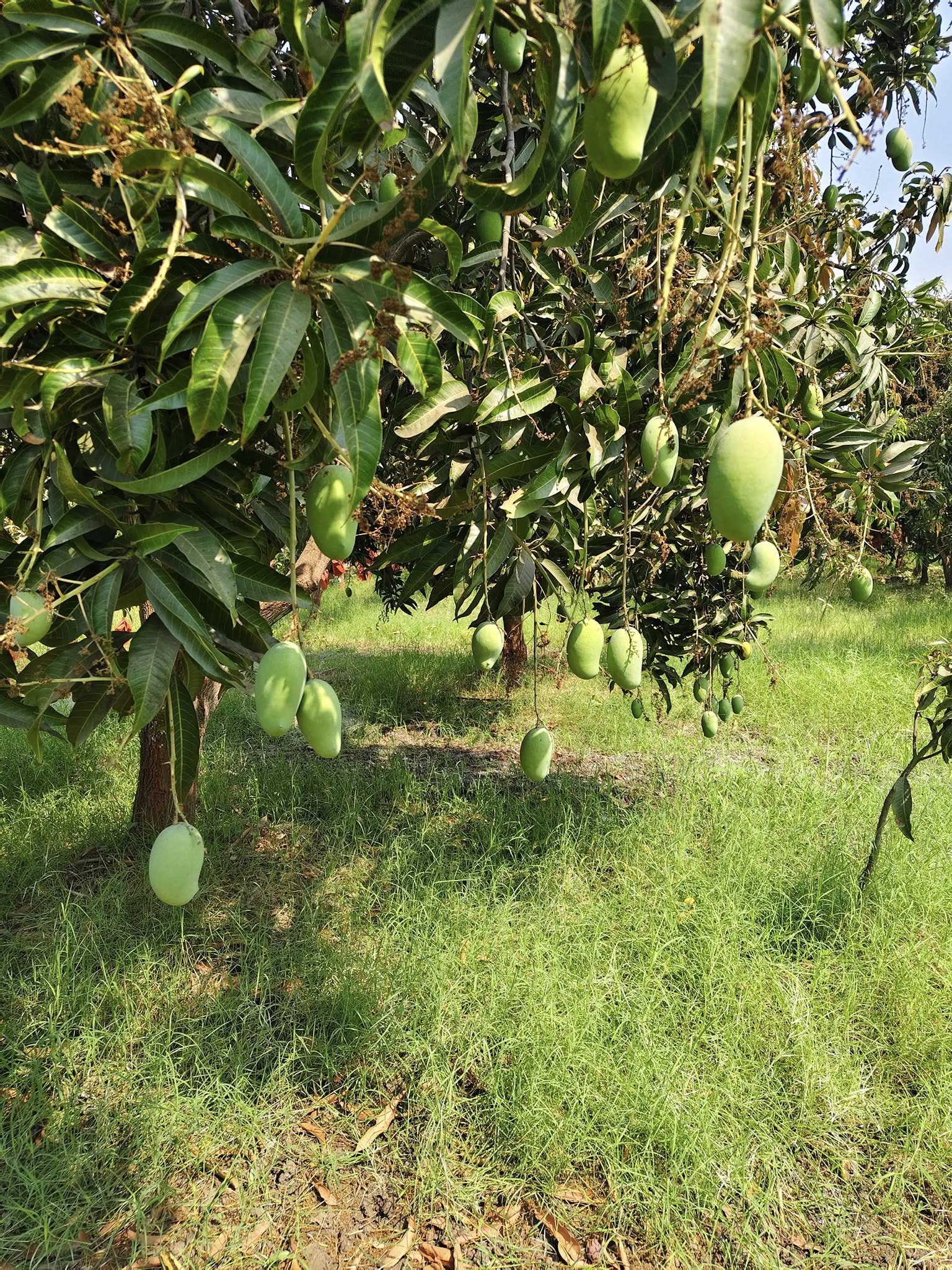
At Vanamrit, our Hapus grows in the fertile alluvial soil of Valsad — metres from the same Arabian Sea breeze that shapes its flavour. Same cultivar as Ratnagiri, different land, unmistakably its own character.
"Eating a ripe Valsad Hapus is less like eating a mango and more like tasting the entire summer at once."
Key characteristics
Flavour at a glance
How Valsad Hapus scores on key attributes
When to order
Peak season is May & June
"Every Hapus on our farm is hand-picked when the stem tells us it's ready — not when the calendar says so. There is no other way to do this honestly."
— Vanamrit Farms · Valsad, Gujarat
Six ways to savour Hapus
Aamras with Puri
Blend Hapus pulp with a pinch of cardamom and serve alongside hot puris. The Gujarati summer ritual that no mango can replace.
Gujarati classicChilled, straight up
Refrigerate for two hours and eat with a spoon, right from the skin. No recipe. No preparation. Just fruit at its most honest.
Purest formMango Shrikhand
Fold thick Hapus pulp into hung curd with saffron and cardamom. One of the great desserts of Indian summer, barely needing a recipe.
DessertHapus Lassi
Blend cold yoghurt with Hapus pulp. The natural Brix level means almost no added sugar — the fruit does everything.
DrinkMango Ice Cream
Pure pulp churned with cream overnight. The deep golden colour and floral fragrance survive freezing remarkably well.
Frozen treatMango Cake
Replace butter and some flour with Hapus pulp in a sponge batter. The result is a moist, golden cake that smells like an orchard in May.
BakingWhat the land
gives the fruit
Alluvial coastal soil
Valsad's nutrient-dense alluvial soil retains moisture and delivers minerals that build sweetness slowly, giving Hapus its characteristic density of flavour.
Arabian Sea microclimate
Warm coastal nights and moderate humidity let the fruit ripen over a longer window — concentrating sugars without the stress that makes some Alphonso sharp.
No carbide, no shortcuts
Every mango stays on the tree until the stem naturally loosens. We never use calcium carbide. The difference is in every single bite.
Extended season advantage
Valsad Hapus ripens slightly later than Maharashtra Alphonso — so when Ratnagiri stocks run out in May, ours are just hitting peak. You get the best of summer, longer.
Goodness in every bite
Per 100g of Hapus Alphonso mango
Order this season's
Hapus harvest
Limited boxes each week. Delivered farm-fresh from Valsad within 48 hours of harvest. Season runs April to July — pre-book now before peak boxes are gone.
Valsad Hapus — Why Gujarat's Own Alphonso Deserves to Be on Your Radar This Season
Everyone knows Ratnagiri Hapus. It gets the magazine covers, the GI tag, the Instagram boxes with straw packing. But here's a question most mango lovers never think to ask — what happens to the same Alphonso tree when it grows up in Gujarat instead of Maharashtra?
What exactly is Valsad Hapus?
Let's clear up the confusion first. Hapus and Alphonso are the same fruit — "Hapus" is simply what Gujaratis and Marathis call the Alphonso. The variety itself was named after Afonso de Albuquerque, the Portuguese viceroy of India in the early 1500s. Jesuit missionaries introduced grafting techniques to Indian mango trees during the Portuguese colonial period, and the Alphonso cultivar was the result. Over centuries, it spread from the Konkan coast of Maharashtra all the way into South Gujarat's Valsad and Navsari districts.
So when we talk about Valsad Hapus, we're talking about the exact same cultivar as Ratnagiri Alphonso — but grown in completely different soil, a different coastal microclimate, and by farmers with their own generations-deep relationship with the land. Think of it the way you'd think about the same grape variety grown in two different wine regions. The DNA is identical. The personality isn't.
Valsad Hapus grows in alluvial, nutrient-retentive coastal soil with 150–200 cm of annual rainfall. Ratnagiri Alphonso grows in mineral-rich red laterite soil with a drier coastal climate. Same tree, two entirely different conversations with the land.
Why doesn't Valsad Hapus get the same attention as Ratnagiri?
Honestly? It's mostly about history and marketing, not quality. Ratnagiri and Devgad Alphonso mangoes hold an official Geographical Indication (GI) tag — which means legally, only mangoes from those specific Maharashtra districts can be called Ratnagiri Hapus or Devgad Alphonso. Valsad Hapus doesn't carry that tag, so it doesn't get the same shelf presence, the premium pricing, or the food media coverage.
But here's what that GI tag doesn't tell you: the Valsad mango belt has been growing Alphonso for just as long. The orchards in Valsad, Navsari, and Pardi have their own legacy, their own farming families, and their own very loyal local buyers who have been eating Valsad Hapus every summer for generations. It's not an unknown fruit — it's just an unmarketed one.
And that, if you're a mango buyer, is actually good news. Less hype means better value, and in peak season, the quality of a properly tree-ripened Valsad Hapus is genuinely exceptional.
What does Valsad Hapus actually taste like?
You know that moment when you peel a ripe Alphonso and the fragrance hits you before you've even broken through the flesh? Valsad Hapus does that. The aroma is the first thing — honey-warm, floral, slightly tropical, and unmistakably Alphonso.
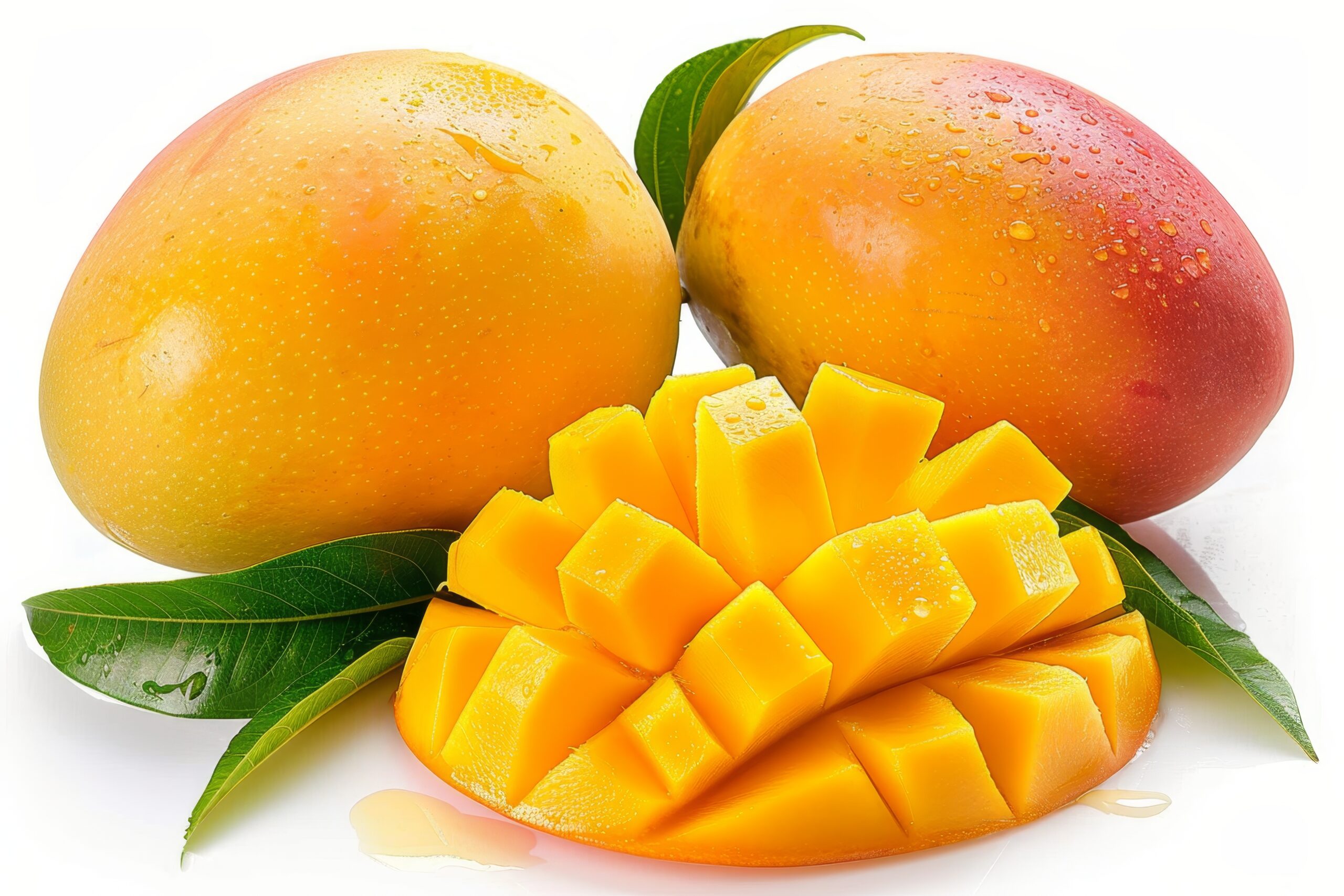
The flesh is deep golden-yellow, completely fibre-free, and has that buttery texture the Alphonso family is famous for. It yields like soft custard. There's a sweetness that sits somewhere between honey and a ripe banana, but without the heaviness of either. The Brix level — which measures natural sugar concentration — in a peak-season Valsad Hapus typically runs 18–22, which puts it firmly in premium territory alongside its Ratnagiri cousin.
Where Valsad Hapus differs slightly is in its finish. The alluvial coastal soil and humid microclimate give the fruit a slightly rounder, more mellow sweetness compared to the sharper, more intense Ratnagiri. If Ratnagiri Alphonso is a strong espresso shot, Valsad Hapus is a long black — same quality, slightly more relaxed expression of the same thing. Neither is wrong. They're just different moods.
The 2026 Hapus season — what to expect
The 2026 Alphonso season has had some interesting dynamics. Reports from the Konkan belt indicate that Maharashtra Alphonso farmers are dealing with noticeably lower yields this year compared to a typical season, with demand already running ahead of supply even before peak harvest. That means Ratnagiri and Devgad boxes are going fast, and prices are elevated.
For Valsad Hapus buyers, this season is actually a good opportunity. The Valsad crop had strong early flowering in late 2025, and the coastal belt is generally less exposed to the erratic weather patterns that hit inland and highland orchards harder. Our season runs from April through July, with May and June as the peak window — which conveniently extends several weeks beyond when most Maharashtra Alphonso is available. If you want premium Alphonso in June and July, Valsad is often your best option.
When Ratnagiri Hapus runs out in May, Valsad Hapus is still in peak season. That's not a consolation — that's an advantage.
How to tell a real tree-ripened Hapus from a fake
This matters more than almost anything else when buying Alphonso mangoes, because the variety's premium reputation means it gets imitated constantly. You'll find mangoes labelled "Hapus" in every market in Mumbai and Surat that have never seen a Valsad or Ratnagiri orchard. So how do you actually know?
A genuinely tree-ripened Hapus has golden-yellow skin with a slight reddish or orange blush near the shoulders — not a uniform, glowing yellow. The skin is smooth but not shiny. The fragrance is detectable before you cut it — press the stem end close to your nose and breathe in. If you smell nothing, or something faintly chemical, put it back. The shoulder of a ripe Hapus — the thick fleshy part just below the stem — should be full and slightly raised, not sunken or flat.
Carbide-ripened imitations turn yellow fast and uniformly, smell of almost nothing, and when you eat them the sweetness is flat and one-dimensional — like a painting of sweetness rather than the real thing. They look perfect in the crate. They taste like disappointment on the plate.
Valsad Hapus vs Ratnagiri Alphonso — the honest comparison
People ask this constantly, so here's an honest answer. Ratnagiri Alphonso is one of the finest mangoes in the world. The GI tag exists for a reason — the red laterite soil, the dry coastal climate, and the specific growing conditions of that Konkan microclimate produce a fruit with an intensity and sharpness that's hard to replicate anywhere else. If you want the most well-known, premium-branded, globally-exported version of the Alphonso story, Ratnagiri is your answer.
But Valsad Hapus has its own argument. It grows in South Gujarat's richly fertile alluvial coastal belt — the same land that produces some of India's finest sapodilla, coconut, and banana. The fruit is slightly larger on average, the sweetness is rounder and more sustained, and the season extends noticeably later into summer. And it comes from a farm-first culture where you're often buying directly from the people who grew it, not from a supply chain that's passed through four sets of hands.
If you've only ever had Ratnagiri Hapus, Valsad Hapus will feel familiar but slightly different — like meeting a cousin of someone you know well. Same family. Different story.
How to store and ripen your Hapus at home
This is where most people go wrong. A freshly harvested Hapus arrives firm and needs time to ripen at home — that's not a problem, that's correct. It means it was picked at the right stage of natural maturity and not forced to colour artificially. Keep them at room temperature, out of direct sunlight. Do not refrigerate immediately — cold temperatures interrupt the ripening process and can turn the flesh grainy and flavourless.
After one to three days, the fruit will develop a gentle give near the stem. The fragrance will become noticeable. At that point, refrigerate for two hours and eat. The cold concentrates the sweetness and firms the flesh into that signature Hapus texture that you'll remember for the rest of summer. Once cut, eat immediately — the moment you break the skin, oxidation starts and the fragrance begins to fade.
Five traditional recipes that Hapus is made for
You don't need to do anything clever with a good Hapus — eating it straight is already the answer. But the variety's buttery, fibre-free pulp and high natural sugar content make it genuinely exceptional in recipes where most mangoes either disappoint or require a lot of added sweetness.
Aamras is the one every Gujarati household makes — blend the pulp with a small pinch of cardamom and serve with hot puris. The thick, custard-like consistency of Hapus pulp makes the best aamras of any variety. Amrakhand (mango shrikhand) is next — fold pulp into hung curd with saffron. Two ingredients. One extraordinary dessert. Hapus kulfi set with condensed milk and cardamom is a frozen treat that commercially produced versions can only dream of approaching. For something lighter, fresh Hapus juice — no water, no added sugar, just blended pulp poured over ice — is the most refreshing thing about being in Gujarat in May. And if you have any pulp left over, freeze it. Six months later, in the middle of monsoon, that frozen pulp in a smoothie is like opening a window back to summer.
Our 2026 Valsad Hapus season is open. The orchard is ready. Pre-book your box now — peak availability is May through June, and once those weeks pass, the season is gone until next year.