
Valsad
Rajapuri
Mango
Gujarat's workhorse mango — large, generous, and made for every kitchen
The Rajapuri is South Gujarat's most versatile mango. Enormous in size, sweet-tangy in flavour, fibreless, and ideal for everything from fresh eating to the finest home-made pickles and aam panna.
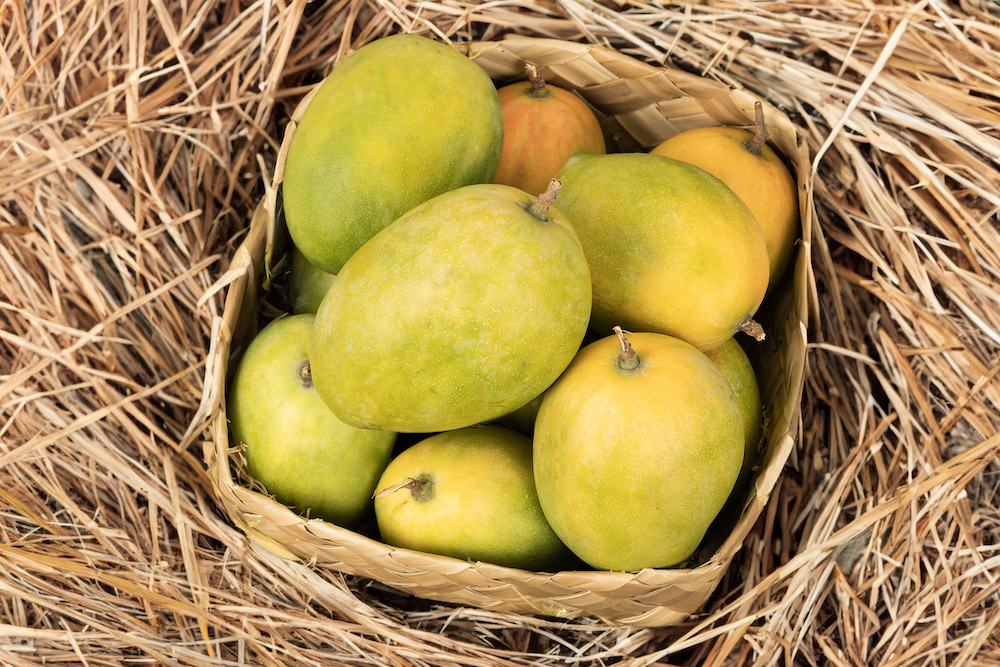
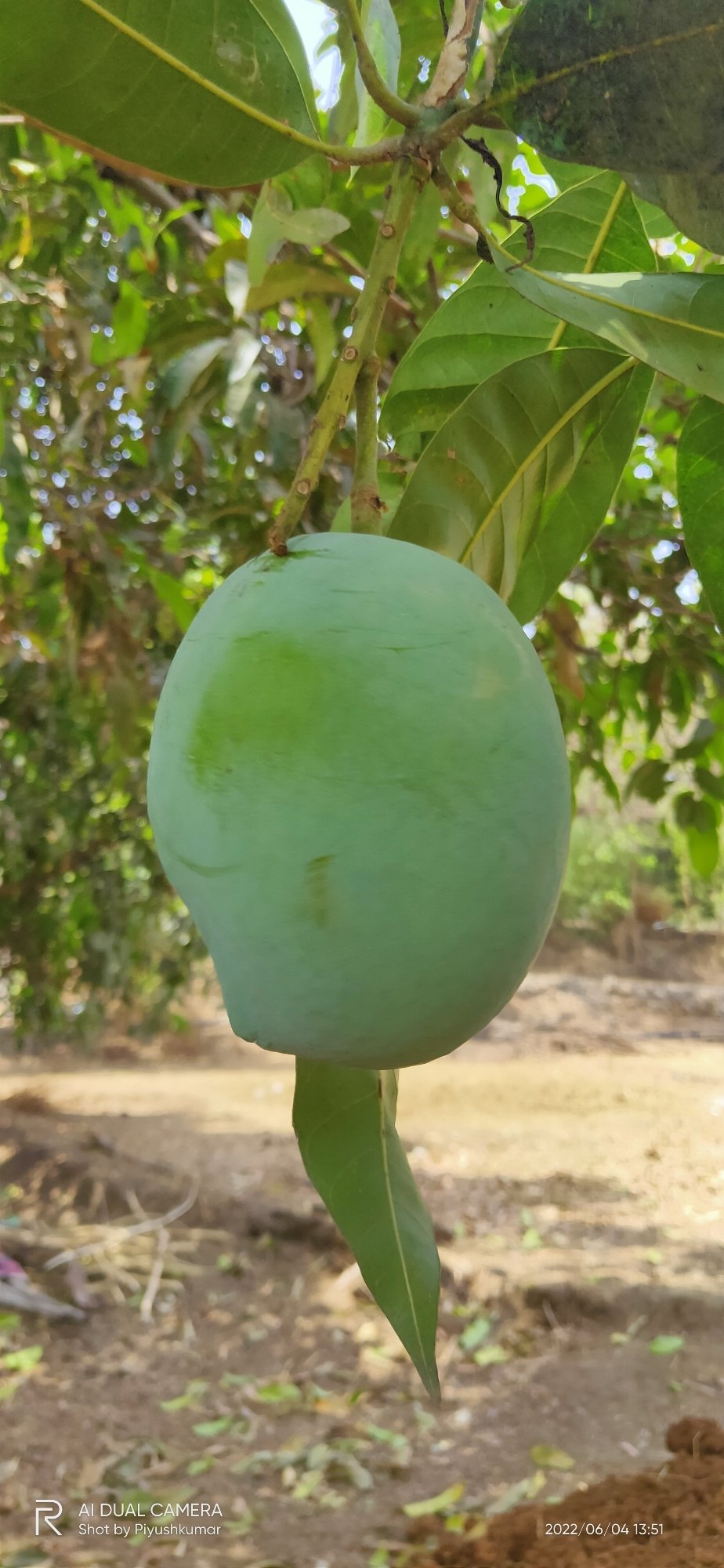 Vanamrit Farm · Valsad, Gujarat
The mango that
runs every kitchen
In every Gujarati household that takes its kitchen seriously, the Rajapuri shows up twice a summer — once as raw mango for the pickle jars, and once ripe for aamras. It is the mango variety that generations of South Gujarat families have built their summer rituals around.
Grown across the fertile orchards of Valsad and Navsari, the Rajapuri is everything a large mango should be — abundant flesh, minimal seed, a sweet-tangy balance that works as well raw as it does ripe, and a shelf life that lets you work through a full crate at your own pace.
"When the Rajapuri arrives, the pickle jars come out. That's how you know summer is properly here."
Key characteristics
Flavour at a glance
How Rajapuri scores on key attributes
When to order
Best season is June through August
"The Rajapuri doesn't need to compete with Kesar or Hapus. It has its own language — the language of the kitchen, of pickle jars, of aamras made in large batches for the whole family."
— Vanamrit Farms · Valsad, Gujarat
Six ways to use Rajapuri
Gujarati Mango Pickle
Raw Rajapuri is the gold standard for methia keri athanu — Gujarat's spiced mango pickle. The firm flesh holds its crunch through months in the jar, absorbing the mustard oil and spices perfectly.
Pickle classicAam Panna
Boil raw Rajapuri pulp with roasted cumin, black salt, and jaggery for the ultimate summer cooler. The natural acidity of raw Rajapuri makes aam panna that actually protects against the heat.
Summer drinkAamras in bulk
Ripe Rajapuri makes excellent aamras for large family gatherings — the size means more pulp per fruit and less work per person. Rich, slightly tangy, and deeply satisfying with puri.
Gujarati classicMango Murabba
Cook firm raw Rajapuri pieces in sugar syrup with cardamom and saffron. The result — a sweet, syrupy preserve — keeps for months and is extraordinary on its own or with paratha.
PreserveMango Chutney
Raw Rajapuri mango cooked down with jaggery, chilli, and mustard seeds makes a bold chutney that pairs with everything from thepla to samosas and lasts the whole monsoon season.
CondimentFresh & chilled
Don't underestimate the ripe Rajapuri eaten straight. It's extremely juicy, naturally sweet with a tangy edge, and at 400–500 grams per fruit, one mango is a proper meal in itself.
Fresh eatingWhat the land
gives the fruit
Fertile Valsad soil
The alluvial coastal belt of Valsad grows Rajapuri with an exceptional fruit-to-seed ratio — plenty of flesh, small seed, and firm texture that holds up through cooking and pickling.
Extended late season
Rajapuri ripens after Kesar and Hapus, stretching your mango season well into August. It's the variety that keeps your kitchen stocked when everything else has finished.
Best for bulk orders
At 400g–1kg per fruit, a single crate of Rajapuri goes a very long way. Our 10kg and 20kg boxes are ideal for families who want to make pickles, aamras, and murabba in one season.
No carbide, ever
Raw Rajapuri is always dispatched naturally firm. Ripe fruit is tree-ripened only — the difference is immediate in taste, shelf life, and the way the pickle holds its texture over months.
Goodness in every bite
Per 100g of ripe Rajapuri mango
Order this season's
Rajapuri harvest
Available raw from April and ripe from June. Perfect for pickle-making, aamras, and fresh eating. Bulk boxes of 10kg and 20kg available — ideal for families stocking up for the whole season.
Rajapuri Mango — The Unsung Hero of the Gujarat Summer That Every Kitchen Needs
While everyone debates Kesar versus Hapus, the Rajapuri gets quietly on with being the most useful mango in South Gujarat. It fills the pickle jars that last all year. It makes the aamras that feeds fifteen people at once. It's the mango your grandmother knew how to use properly — and it's time more people did too.
What exactly is the Rajapuri mango?
The Rajapuri is one of India's largest mango varieties — and it's genuinely large in a way that surprises you the first time you hold one. A typical Rajapuri mango weighs between 400 and 600 grams, and in a good season with ideal conditions, individual fruits can reach 1 kilogram. To put that in perspective, a single Rajapuri can easily weigh three times what a Kesar mango weighs.
The shape is elongated and oval with blunt, curved ends — think of a generous, slightly flattened football. Unripe, the skin is firm and green. Ripe, it turns a beautiful mix of golden-yellow with orange and sometimes a faint red blush near the shoulders. The flesh is pale to deep yellow, extremely juicy, low in fibre, and has a flavour that sits pleasantly between sweet and tangy — not quite as sweet as Kesar, not as rich as Hapus, but with its own honest, tropical character that grows on you.
Rajapuri is primarily grown across the mango orchards of Valsad and Navsari in South Gujarat — the same coastal belt that produces Kesar and Hapus. The same fertile alluvial soil, the same Arabian Sea microclimate, but a completely different fruit with a completely different purpose.
Rajapuri is the most versatile mango grown in South Gujarat. It's the only variety you can buy raw for pickling in April and ripe for eating in July — the same tree, two completely different culinary seasons.
Why is Rajapuri so popular for pickles?
Ask any Gujarati who grew up in a household where mango pickles were made at home, and they'll almost certainly tell you the mangoes were Rajapuri. There's a specific reason for that. Raw Rajapuri flesh is firm, almost crisp, and stays that way even when submerged in spiced oil for months. It doesn't go mushy. It holds its shape, absorbs the mustard oil and fenugreek and chilli without falling apart, and delivers that satisfying bite every time you open the jar in December.
The slight natural acidity of raw Rajapuri is a perfect base for the bold spices of Gujarati methia keri athanu. When you cook raw Rajapuri down for chunda — the sweet-spicy Gujarati preserve made with grated raw mango, sugar, and spices — that same tartness creates a beautiful balance against the sweetness of the jaggery. It's not an accident that this is the variety home cooks reach for. It's the result of generations of trial and error arriving at the same conclusion.
Raw Rajapuri also makes the finest aam panna — the traditional summer cooler made by boiling raw mango pulp with roasted cumin, black salt, and sugar or jaggery. The natural vitamin C in raw mango, combined with Rajapuri's particular acidity, creates a drink that genuinely fights the heat rather than just cooling you momentarily.
What does ripe Rajapuri taste like compared to Kesar?
If Kesar is a concentrated dessert — all saffron, deep sweetness, and fragrance — then ripe Rajapuri is more like a good, honest fruit. It's juicy in a way that requires a napkin. It's sweet but not cloying, with a tangy undertone that keeps you wanting the next bite. The aroma is tropical and pleasant but doesn't fill the room the way a Kesar does. The texture is juicier and slightly less buttery than a Hapus — more refreshing than indulgent.
Here's where Rajapuri has an advantage that doesn't get talked about enough: its size. Because a single fruit weighs 400–600 grams, the ratio of flesh to seed is extraordinary. You get a remarkable amount of pulp from a single mango. For aamras — where you're basically making a family-sized bowl of mango purée — that matters enormously. A dozen Rajapuri gives you far more pulp than a dozen Kesar. The economics and the practicality both point in the same direction.
The Rajapuri season — raw first, then ripe
This is what makes Rajapuri unique among the three Vanamrit varieties. It has two seasons within one season. Raw Rajapuri starts appearing from late April onwards, when the fruit is still firm, green, and full of that sharp, acidic energy that makes perfect pickle material. This is your window for methia keri, aam panna, and chunda — typically April through May.
Then, as summer deepens into June and July, the same fruits that haven't been harvested raw begin to ripen on the tree. The ripe Rajapuri season runs from June through August — which means it extends significantly later than Kesar (May–July) or Hapus (April–June). If you're a family that wants fresh mangoes for as long as possible into the summer, ordering a large crate of Rajapuri in July makes a lot of sense. And once the 2026 Kesar and Hapus seasons wind down, our Rajapuri will still be going.
Buy raw Rajapuri in April for your pickle jars. Come back in June for ripe fruit for aamras and fresh eating. One variety, two completely different experiences, one long, generous season.
How to make the Gujarati methia keri pickle with Rajapuri
This is the most important recipe you can make with raw Rajapuri, and it's simpler than most people think. You'll need firm, raw Rajapuri mangoes, coarse salt, turmeric, red chilli powder, fenugreek seeds (methi), mustard seeds, and mustard oil. Dice the mangoes, mix with salt and turmeric, and leave for two hours to draw out moisture. Drain, dry with a cloth, and set aside. Heat the mustard oil to smoking point, let it cool slightly, then pour over a mixture of the remaining dry spices. Mix in your dried mango pieces, pack into sterilised jars, and leave near a window for 15 days before eating.
The reason Rajapuri works so well here is that the firm, fleshy texture means your mango pieces maintain their structure through the curing process. By week three, you have a jar of spiced, preserved mango that will last the entire year and improve with age — getting more complex and rounded in flavour as monsoon turns to winter. This is the kind of kitchen tradition that makes South Gujarat cooking distinctive, and Rajapuri is at the centre of it.
How to store Rajapuri mangoes at home
Raw Rajapuri, for pickling, should be stored at room temperature and used within a week of arrival. Don't refrigerate raw mango intended for pickle — the cold can affect the texture and slow the enzymatic processes that make the flesh respond well to curing. Keep them on the counter in a cool, ventilated spot and work through them over a few days.
Ripe Rajapuri is a different matter. Because the fruit is so large and so juicy, a ripe mango kept at room temperature will only last two to three days before it starts to soften too much. Once you can feel a gentle give near the stem and the fragrance is noticeable, move to the fridge and eat within two days. For very large fruit that you can't finish in one sitting, cut around the seed, wrap the cut halves tightly, and refrigerate — they'll keep for another 24 hours without losing much.
Is Rajapuri right for you?
If you're someone who makes home-made mango pickle every summer, Rajapuri is your mango. There's no substitute. If you're a family that goes through large quantities of aamras in a sitting, Rajapuri's size makes it the most economical choice by far. If you want a mango season that extends into August after the premium varieties are gone, Rajapuri delivers. And if you've always bought your mangoes purely for fresh eating and never explored what a Gujarat summer looks like with a kitchen full of raw mango preparations — Rajapuri is the variety that opens that door.
It won't win a beauty contest against Kesar. It doesn't have the perfumed aroma of Hapus. What it has is something rarer in the premium mango world — genuine, unhurried versatility. The kind that comes from a fruit that has been feeding families and filling pickle jars for generations without needing to announce itself.
Our 2026 Rajapuri season opens in April for raw fruit. Ripe fruit from June onwards. Order in bulk — the Rajapuri is the one mango where a 20kg box is not an extravagance, it's just good planning.